A pipe, cigar or vape should not be judged safe because it is associated with a social ritual, produces a mild smell or is used only at gatherings. Those descriptions do not establish the effects on the user or people nearby.
This comparison separates the product categories and the evidence needed for common social-use claims. It does not rank them as status symbols or recommend starting nicotine use to fit a social setting.
Cigars and conventional tobacco pipes are combustible tobacco products. E-cigarettes heat liquid to generate an aerosol. The CDC describes that aerosol as particles released into the air and notes that bystanders can inhale it when a user exhales.

Calling an emission aerosol rather than smoke describes how it is produced; it does not mean that it is clean air or harmless water vapour. A less noticeable smell is not an exposure measurement.
The National Cancer Institute's cigar fact sheet explains that cigar smoking is associated with cancer and other health risks. Nicotine exposure and harm are not limited to cigarette-style inhalation. A celebratory occasion does not alter the product's composition.
The same source describes harmful constituents in secondhand cigar smoke. A host's willingness to allow smoking does not demonstrate that other people are unexposed.
Before a gathering, check the applicable venue rules and local requirements for the exact product. A rule about cigarettes may not answer every question about pipes, cigars or vaping. A private invitation is not evidence that all guests consent to exposure.
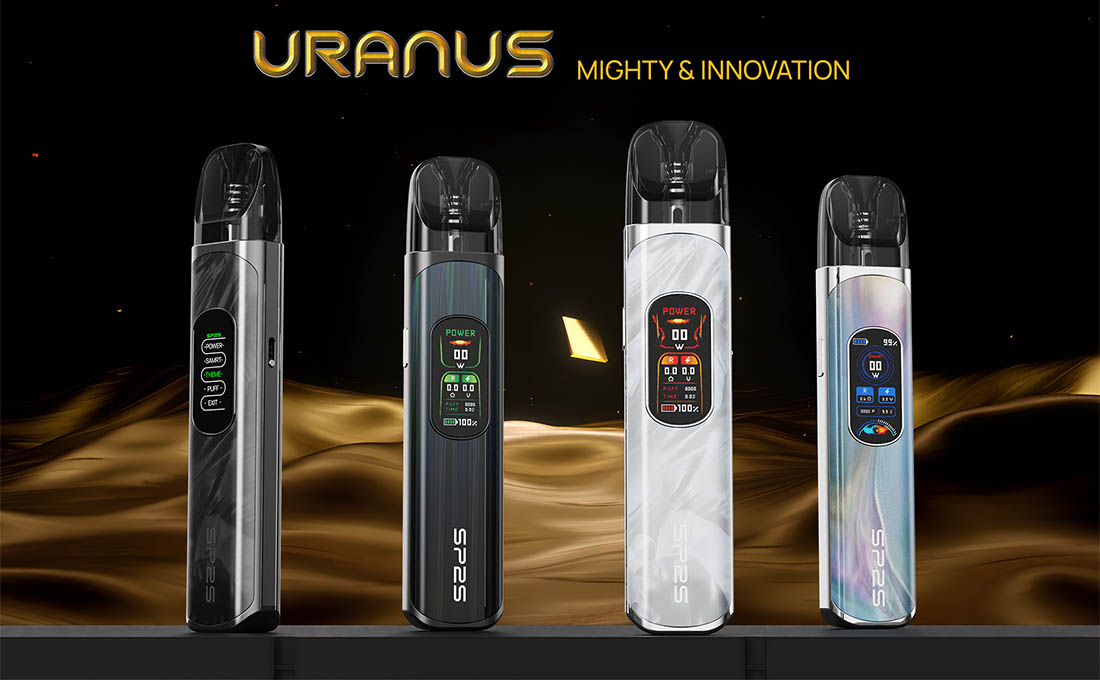
For readers comparing health claims, our vaping-versus-smoking article discusses the limits of broad comparisons. Product appearance, fashion and social acceptance cannot substitute for that evidence, and none establishes a health benefit from an SP2S product.


Leave A Comment
Your email address will not be published.