For U.S. vape distributors, hardware selection should not begin with price, puff count, or appearance. Before placing an order, check the exact product, supplier paperwork and the market where the goods will be sold.
Some buyers search for an “FDA vape whitelist.” FDA does not use that term. The practical question is what a distributor should verify before adding a product to inventory.
Start with the exact product. Then review its design, the supplier documents and the intended sales market.
Check the exact product status
Check the regulatory status of the exact model and configuration, including whether it has applicable FDA marketing authorization.
Authorization status applies to a specific product. It does not automatically apply to a supplier, brand category, similar model or another configuration. A pending application is not the same as FDA marketing authorization; distributors should also review any applicable FDA enforcement policy for the specific product.
Do not treat a brand-level claim as proof for every device, cartridge, package or configuration within that brand’s range.
Record the model, the source checked and the date of review. That record is useful when the paperwork, sample or shipment later differs.
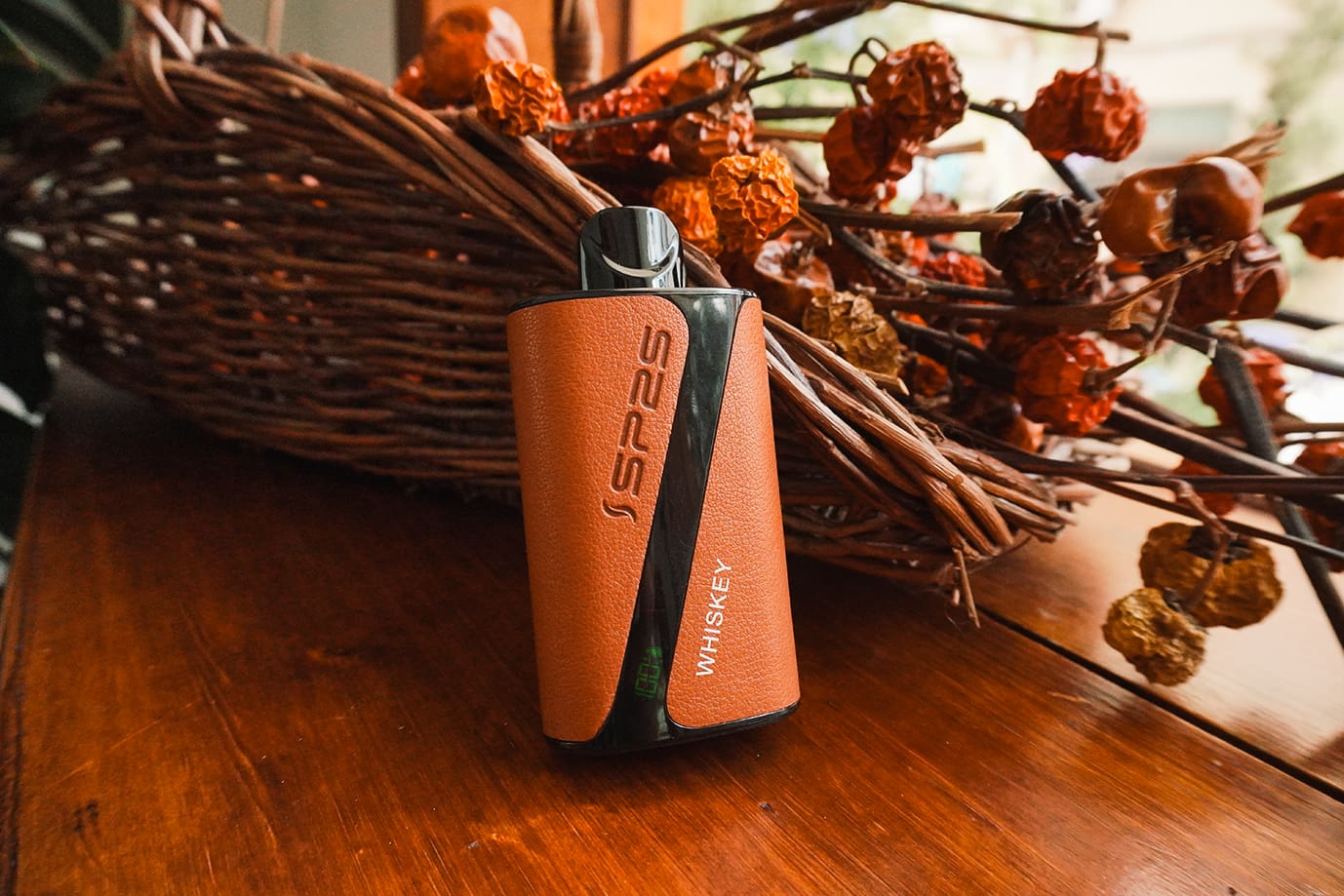
Screen for design risks
Design does not replace regulatory review, but it can still create inventory risk.
FDA has issued warning letters involving unauthorized e-cigarettes that resemble phones, gaming devices, toys or common everyday objects. Other cited features include games, cartoon imagery, entertainment functions and designs that make a nicotine device easier to conceal.
When reviewing a sample, ask whether a feature helps operate the device or mainly adds novelty.
A basic display can show battery or operating information. A game, animated character, music function or toy-like shape deserves closer review.
Match supplier documents to the product
Do not rely on a catalogue page or sample alone. Ask for documents that match the exact item you intend to order.
Check the physical sample against the specification sheet and quotation. Before shipment, check them again against the final product information.
The model name, battery details, capacity, packaging and product description should remain consistent.
A sample can be correct while a quotation or shipment describes another configuration. If details do not match, pause the order and ask the supplier to explain the difference in writing.
Check the intended sales market
Federal requirements are only part of the decision. States and local markets may have their own rules on flavors, licensing, taxes, remote sales, age verification, packaging or retail placement.
Review the destination market before goods are shipped or listed for sale. Repeat the review when the product changes or when you enter a new market.

Supplier information and wholesale cooperation
For supplier information requests and wholesale cooperation details, visit the SP2S Partnership Inquiry Page.
Common questions about U.S. vape hardware procurement
Does a pending PMTA application mean a product is authorized?
No. A pending application is not the same as FDA marketing authorization. Review the exact product and current FDA materials before making a purchasing decision.
Does a simple device design mean a product can be sold in the United States?
No. A simple design does not replace regulatory review. Product status, supplier documents and destination-market rules should all be checked.
Why should distributors compare samples and shipment information?
It helps identify mismatches in model details, packaging, battery information, capacity or other product specifications before inventory reaches the market.
Sources: FDA enforcement actions | FDA marketing orders


Leave A Comment
Your email address will not be published.