The European vape hardware market is moving from disposable-focused designs toward reusable device architectures. The shift toward reusable vape hardware in Europe is becoming increasingly visible as regulators target single-use products. This transition requires manufacturers and B2B buyers to fundamentally rethink product architecture and supply chain priorities.
Single-use devices generate electronic waste and complicate lithium battery recovery. These factors have prompted regulatory action across multiple jurisdictions. According to UK government regulations, the ban on single-use vapes has been in force since June 1, 2025, reinforcing the market shift toward devices designed with rechargeable batteries and reusable components. Similar restrictions are also progressing across other European markets, including Austria and Ireland. For distributors and retailers, this expanding shift makes single-use hardware increasingly difficult to rely on for long-term inventory planning.
To adapt to this changing landscape, reusable hardware increasingly separates long-life device components from replaceable or refillable consumables.
A reusable device requires a reliable charging interface and appropriate battery protection circuitry, allowing the lithium cell to support repeated charging cycles during the device lifecycle.
Reusable pod system design allows users to retain the main battery unit while refilling or replacing the pod as needed. This structural change can reduce the amount of plastic, metal, and battery components discarded with each product cycle.
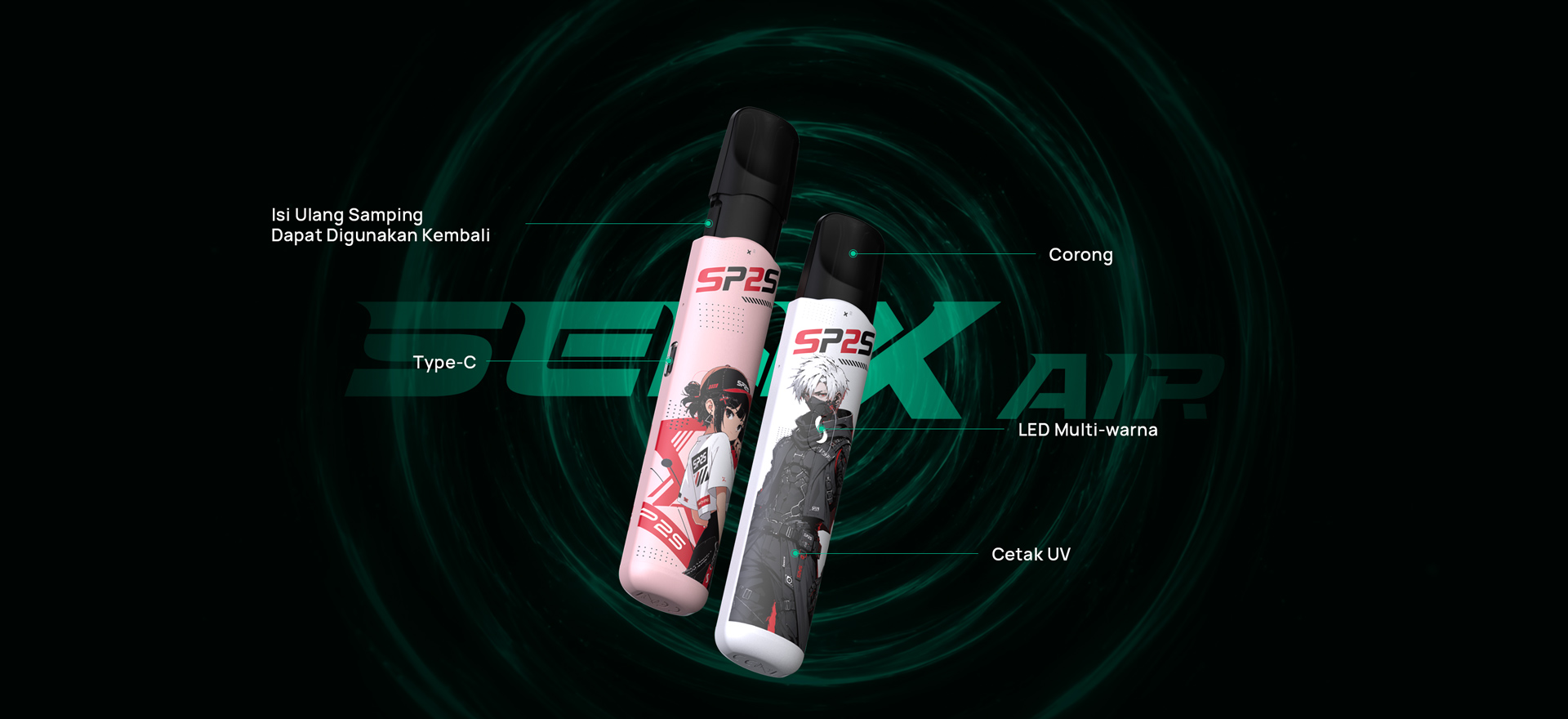
Designing reusable vape hardware for the European market requires manufacturers to consider durability beyond initial product performance. Reusable architecture introduces new engineering challenges that go beyond simple assembly.
Connector lifespan and stability
Pod connectors must maintain electrical consistency and reliable contact performance after repeated insertions over months of use.
Pod sealing reliability
Refillable pod systems, by contrast, must maintain sealing performance through repeated refills, pod insertions, storage conditions, and temperature changes.
Material durability
The device chassis must withstand drops, daily wear, and continuous handling, increasing the importance of durable alloys, engineered plastics, and structural reinforcement.
Environmental scrutiny is increasingly moving from packaging waste to internal device architecture. From February 18, 2027, Article 11 of the EU Batteries Regulation will introduce stronger requirements around the removability and replaceability of portable batteries, subject to specific conditions and exemptions. The broader regulatory direction places greater emphasis on product longevity, battery recovery, and lifecycle responsibility. Internal engineering is therefore becoming as important as external product design.
As the market evolves, B2B buyers sourcing reusable vape hardware in Europe increasingly need to evaluate products based on lifecycle performance rather than short-term production efficiency. Device durability, component precision, and consistent assembly tolerances are becoming key procurement criteria. Buyers evaluating sustainable vape hardware need to verify that manufacturers possess the necessary quality control frameworks to test connector fatigue, battery thermal limits, and long-term pod sealing.
At SP2S, reusable hardware development focuses directly on these engineering realities. SP2S develops reusable vape hardware with a focus on battery integration, structural reliability, and manufacturing consistency for markets increasingly focused on reusable product architectures.


Leave A Comment
Your email address will not be published.